
spotmeSpotMe - gym mode for agentic coding. Works with OpenCode and Pi.
188
+5 in 30 days
163
18 in 7 days
51.9
Multi-signal model
2 months ago
2026-05-26
Install and configure
opencode.jsonWrites to this project's opencode.json — applies to this repository only.
opencode.json
{
  "$schema": "https://opencode.ai/config.json",
  "plugin": ["spotme@1.2.3"]
}
Writes to ~/.config/opencode/opencode.json — applies to every project.
~/.config/opencode/opencode.json
{
  "$schema": "https://opencode.ai/config.json",
  "plugin": ["spotme@1.2.3"]
}
If you want to modify the plugin locally, install it into the project and reference the local path.
shell
pnpm add -D spotmeopencode loads npm dependencies through its embedded runtime on startup and caches them locally — no manual global install needed.

Gym mode for agentic coding
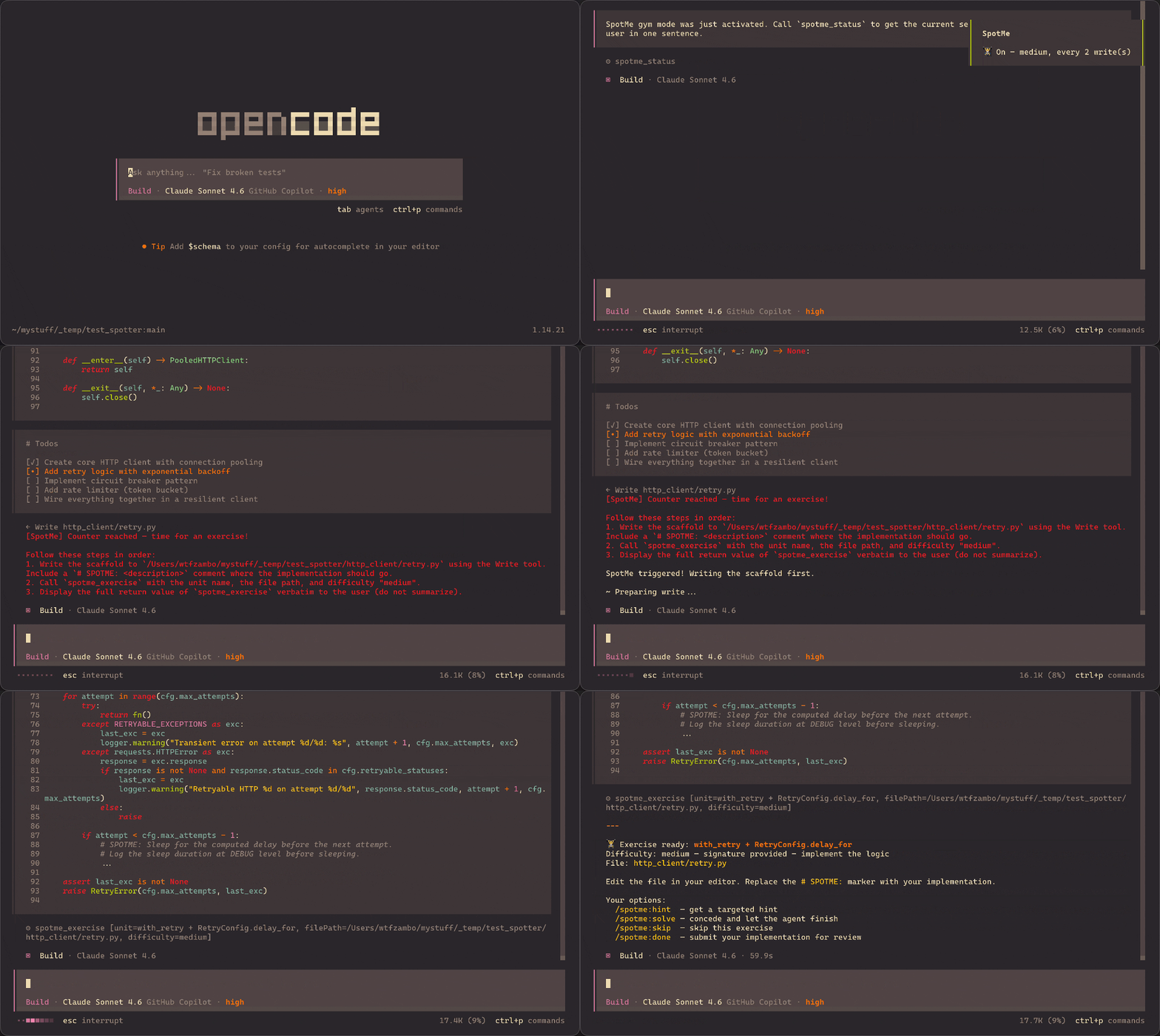
Instead of writing 100% of the code for you, the agent scaffolds a logical unit, hands it off, watches you implement it, and reviews your work before resuming.
___ Keep your edge ___
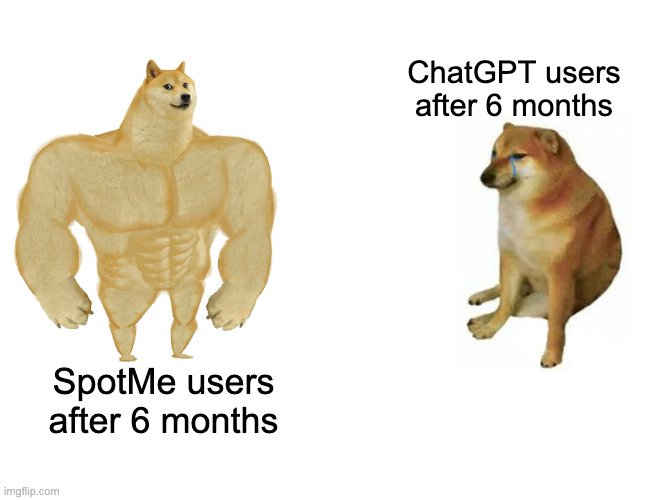
Heavy AI usage makes you stupid.
When BIG BAD AI COMPANY™ warns us about the negative effects of its own product, we should probably pay attention.
Much like sitting on your ass all day makes you weak and sad, keeping your brain in powersave mode all day makes you lazy and dumb.
The first you fix by going to the gym.
The second you fix by using SpotMe.
How it works
- Enable SpotMe at the start of a session:
/spotme:on [lite|medium|hard] [--every N] - Every N code-writing actions, the agent scaffolds the next unit instead of completing it
- You implement the marked section (
# SPOTME: ...) directly in your editor /spotme:done→ agent checks your work and gives brief, calibrated feedback- Agent resumes the original task
Commands
| Command | Description |
|---|---|
/spotme:on [lite|medium|hard] [--every N] |
Enable gym mode. Default: medium, every 2 |
/spotme:off |
Disable — agent writes code normally |
/spotme:status |
Show current state |
/spotme:rep |
Request an exercise on-demand |
/spotme:done |
Submit your implementation for review |
/spotme:hint |
Get one targeted hint |
/spotme:solve |
Concede — agent completes the exercise |
/spotme:skip |
Skip this exercise, no note |
Difficulty levels
| Level | Agent writes | You write |
|---|---|---|
lite |
Signature + docstring + structure | Just the body |
medium |
Signature + # SPOTME: spec comment |
All logic |
hard |
Plain English spec comment only | Everything |
Install
OpenCode
Add to your opencode.json:
{
    "$schema": "https://opencode.ai/config.json",
    "plugin": ["spotme"]
}
Pi
Install as a Pi package:
pi install npm:spotme
SpotMe integrates as a Pi extension with programmatic slash commands and custom tools (spotme_exercise, spotme_end, spotme_status). Commands that don't require LLM reasoning (/spotme:on, /spotme:off, /spotme:status) execute instantly via the Pi UI. Commands that need LLM input (/spotme:done, /spotme:solve, /spotme:skip, /spotme:hint, /spotme:rep) inject exercise details directly into the prompt for seamless review.
Skill only (any harness that supports AgentSkills)
Copy SKILL.md into your harness's skills directory. This gives the prompt layer without the automated tool interception — commands still work, but the counter-based trigger won't fire automatically.
Star History
Like it? Star it!
Local Development
To develop and test a branch locally:
# 1. Clone SpotMe locally
mkdir ~/temp && cd ~/temp
git clone https://github.com/wtfzambo/spotme.git

# 2. Create a new directory somewhere
mkdir ./test_spotme && cd ./test_spotme

# 3. Run scripts/test-local-branch.sh from the new folder
../spotme/scripts/test-local-branch.sh
Then, in test_spotme, open your agent harness (OpenCode, Pi...) and verify spotme commands exist. Finally, checkout the SpotMe branch you need.
Name
The agent is your spotter. It sets up the lift, stands by while you push, catches you if you call for help. The work is yours.